About
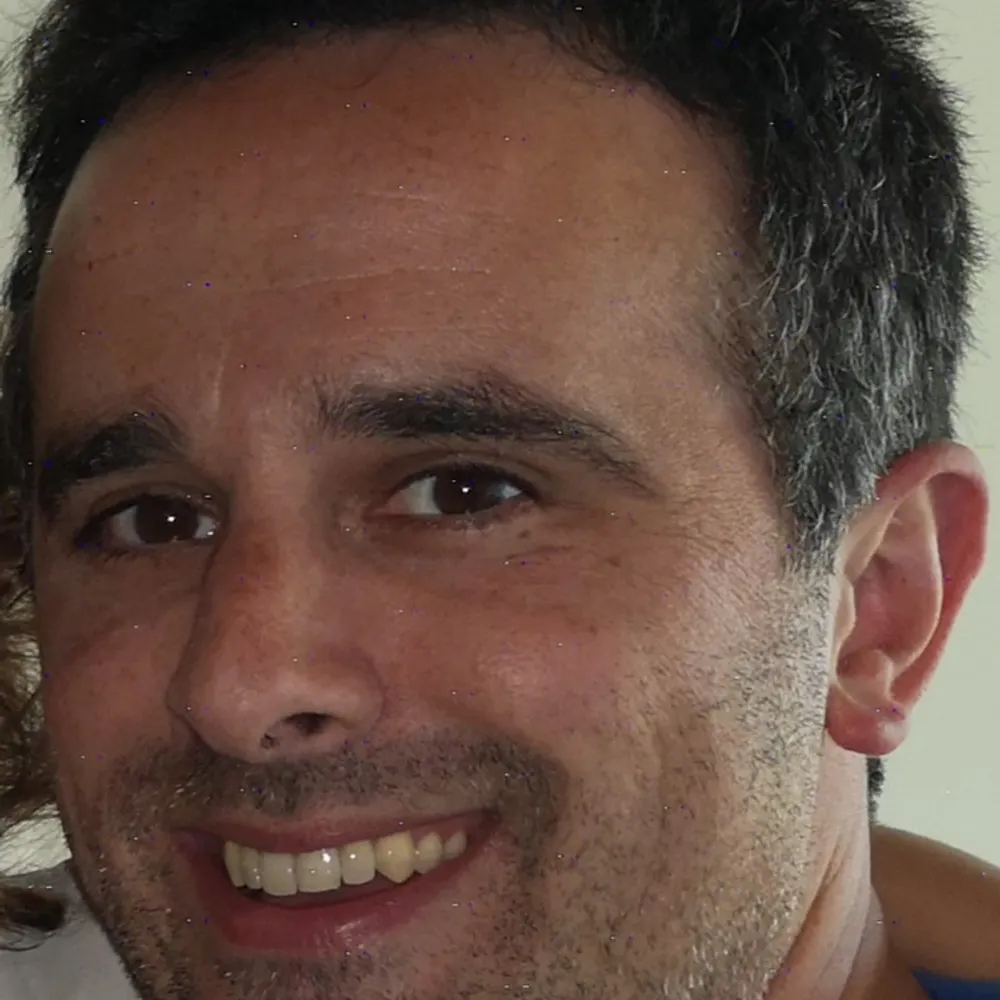
I am an FCT-Tenure Researcher and Chair of Computational Microbiology at the Centre for Biotechnology and Fine Chemistry (CBQF), Universidade Católica Portuguesa, Porto. My research sits at the intersection of microbial genomics, evolutionary biology, and data science, with a focus on understanding how bacteria evolve resistance to antibiotics and how mobile genetic elements drive that process.
I completed my PhD in Pharmaceutical Sciences (Microbiology) at the University of Porto in 2018, studying carbapenemase-producing Pseudomonas aeruginosa and the mobile genetic elements that carry resistance genes. I then joined the Max Planck Institute for Evolutionary Biology (Germany, 2019–2022) as a postdoctoral researcher, where I received the Kiel Life Science Award for Early Career Postdocs. From 2022 to 2024, I was a Maria Zambrano Fellow at the Centre for Plant Biotechnology and Genomics (CBGP), UPM-INIA, Spain, exploring evolutionary dynamics of bacterial and archaeal genomes. In December 2024, I was awarded an FCT CEEC Individual fellowship to develop my research programme at UCP Porto. In December 2025, this fellowship was interrupted upon being promoted to FCT-Tenure Researcher, a permanent position I have held since then as Chair of Computational Microbiology at CBQF, Universidade Católica Portuguesa.
I am actively involved in research evaluation, serving as an expert reviewer for the European Science Foundation, FCT Portugal, and the Lister Institute. In 2025, I was ranked among the World's Top 2% Scientists by Stanford/Elsevier.
Current Position
FCT-Tenure Researcher
Chair of Computational Microbiology
CBQF, Universidade Católica Portuguesa
Porto, Portugal
December 2025 – Present
Education
- PhD Pharmaceutical Sciences — Microbiology
University of Porto, 2018 - MSc Pharmaceutical Sciences
University of Porto, 2011
Awards & Distinctions
- 2025World's Top 2% Scientists (Stanford/Elsevier)
- 2024Top Cited Article Award — The Royal Society
- 2020Kiel Life Science Award — Early Career Postdocs
- 2019ASM Infectious Disease Fellows Program
- 2015Best Oral Presentation — Microbiotec 15
Languages
- PortugueseNative
- EnglishC2
Research Interests
My research combines computational and experimental approaches to understand bacterial evolution, with particular emphasis on how mobile genetic elements and defense systems shape antibiotic resistance and genome plasticity.
Bacterial Evolution & Population Genomics
Studying how bacterial populations evolve over time, including adaptation to antibiotics, host colonisation, and phylogenomic relationships within clinically important species.
Antibiotic Resistance
Investigating the mechanisms, evolutionary trajectories, and epidemiology of antimicrobial resistance, including resistance in ESKAPE pathogens and Pseudomonas aeruginosa.
Mobile Genetic Elements
Characterising plasmids, integrative and conjugative elements (ICEs), transposons, and other mobile elements that drive horizontal gene transfer and resistance spread.
CRISPR–Phage Coevolution
Exploring how CRISPR-Cas systems mediate conflict between mobile genetic elements and bacteriophages, and how these dynamics shape microbiome composition and evolution.
Pan-Genomics & Comparative Genomics
Applying pan-genome analyses, comparative genomics, and phylogenetics to understand gene content variation, accessory genome dynamics, and defense system evolution.
Mathematical Modelling & Deep Learning
Developing and applying mathematical models and machine learning approaches to study microbial genomics, core gene redundancy, and resistance evolution.
Defense Systems in Bacteria
Cataloguing and characterising bacterial defense systems across chromosomally integrated mobile elements, examining their interplay with virulence and antimicrobial resistance.
Multipartite Genomes
Investigating bacteria with multi-chromosome genomes to understand core gene redundancy, chromosome co-evolution, and the fitness implications of genome partitioning.
Publications
Selected publications from a record of 31+ peer-reviewed articles. View full list on Google Scholar or Web of Science.
-
Resistance variation and bacterial interactions shape adaptation of a genetically diverse pathogen population to antibiotic therapy.
ISME Journal (2026) 20(1):wrag039. DOI
-
Timescale and genetic linkage explain the variable impact of defense systems on horizontal gene transfer.
Genome Research (2025) 35(2):268–278. DOI
-
Dynamics of CRISPR-mediated virus-host interactions in the human gut microbiome.
ISME Journal (2024) 18(1):wrae134. DOI
-
Variation in the response to antibiotics and life-history across the major Pseudomonas aeruginosa clone type (mPact) panel.
Microbiology Spectrum (2024) 12(7):e0014324. DOI
-
Phylogroup-specific variation shapes the clustering of antimicrobial resistance genes and defence systems across regions of genome plasticity in Pseudomonas aeruginosa.
eBioMedicine (2023) 90:104532. DOI
-
Defense systems are pervasive across chromosomally integrated mobile genetic elements and are inversely correlated to virulence and antimicrobial resistance.
Nucleic Acids Research (2023) 51(9):4385–4397. DOI
-
The ESKAPE mobilome contributes to the spread of antimicrobial resistance and CRISPR-mediated conflict between mobile genetic elements.
Nucleic Acids Research (2023) 51(1):236–252. DOI
-
What makes a megaplasmid?
Philosophical Transactions of the Royal Society B: Biological Sciences (2022) 377(1842). DOI
-
The Role of Integrative and Conjugative Elements in Antibiotic Resistance Evolution.
Trends in Microbiology (2021) 29(1):8–18. DOI
-
Antibiotic resistance in Pseudomonas aeruginosa – Mechanisms, epidemiology and evolution.
Drug Resistance Updates (2019) 44:100640. DOI
-
Unravelling the genome of a Pseudomonas aeruginosa isolate belonging to the high-risk clone ST235 reveals an integrative conjugative element housing a blaGES-6 carbapenemase.
Journal of Antimicrobial Chemotherapy (2018) 73(1):77–82. DOI
Teaching
I am currently coordinating and teaching the Data Science in Microbiology curricular unit, integrating my research in computational microbiology directly into graduate education.
Current Course
| Course | Role | Programme | Institution | Period |
|---|---|---|---|---|
| Data Science in Microbiology | Coordinator & Lecturer | MSc in Applied Microbiology | Universidade Católica Portuguesa | 2026 – Present |
Student Supervision
CRISPR-mediated virus-host interactions in the human gut microbiome — CBGP, Spain
Related publication ↗ Completed 2025Timescale and genetic linkage of defense systems in horizontal gene transfer — CBGP, Spain
Related publication ↗ Completed 2024Research project — Christian-Albrechts-Universität zu Kiel, Germany
Completed 20213 students on specialised research projects, University of Porto
2014–2016Funding & Projects
Current and recent research funding supporting my group's work in computational microbiology, antibiotic resistance, and bacterial genomics.
FCT Tenure Chair in Computational Microbiology
Ref. 2023.15056.TENURE.054
CBQF Chair in Computational Microbiology, supporting the development of an independent research group at Universidade Católica Portuguesa focused on the intersection of microbial genomics, evolutionary biology, and data science.
Core Gene Redundancy and Antibiotic Resistance
Ref. 2023.06600.CEECIND/CP2855/CT0001
Using microbial genomics, mathematical modelling and deep learning to investigate the relationship between core gene redundancy and antibiotic resistance. Note: the CEEC fellowship was interrupted in December 2025 to allow the transition to FCT Tenure Researcher status.
Core Gene Redundancy and Resistance in Multipartite Genomes
Investigating core gene redundancy and antibiotic resistance in multipartite bacterial genomes using microbial genomics, mathematical modelling and deep learning.
URBAN M2O
Effective Monitoring and Modelling solutions for data-driven hOlistic management of URBAN water quality. A European consortium project developing integrated approaches for monitoring antimicrobial resistance in urban water systems.
SINFONIA
SINFONIA – CBQF: Sustainable Agroecosystems, Food Innovation, and Artistic Practices for Climate Adaptation. An interdisciplinary project addressing climate adaptation through sustainable food systems and agroecological practices.
Optimizing Pseudomonas putida as a Crop Protection Agent
Environmental signals, specificity, and efficiency of the type VI secretion system as a biocontrol tool. Investigating the molecular mechanisms underlying P. putida's biocontrol activity against plant pathogens, with focus on the type VI secretion system as a competitive weapon in rhizosphere environments.
Contact
I welcome enquiries regarding potential collaborations, research opportunities, and student supervision.
Address
CBQF – Centre for Biotechnology and Fine Chemistry
Universidade Católica Portuguesa
Porto, Portugal